
Natural Diamonds vs. Lab-Grown Diamonds – Which One Should You Buy?
You’ve probably noticed something big happening in the jewelry world lately. Lab-grown diamonds are everywhere in ads, in stores, and on fingers. But are they really worth it? And what about the classic natural diamond? Let’s break it all down in plain English.
First, What Exactly Is a Lab-Grown Diamond?
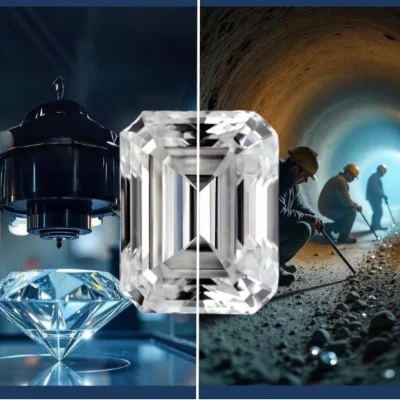
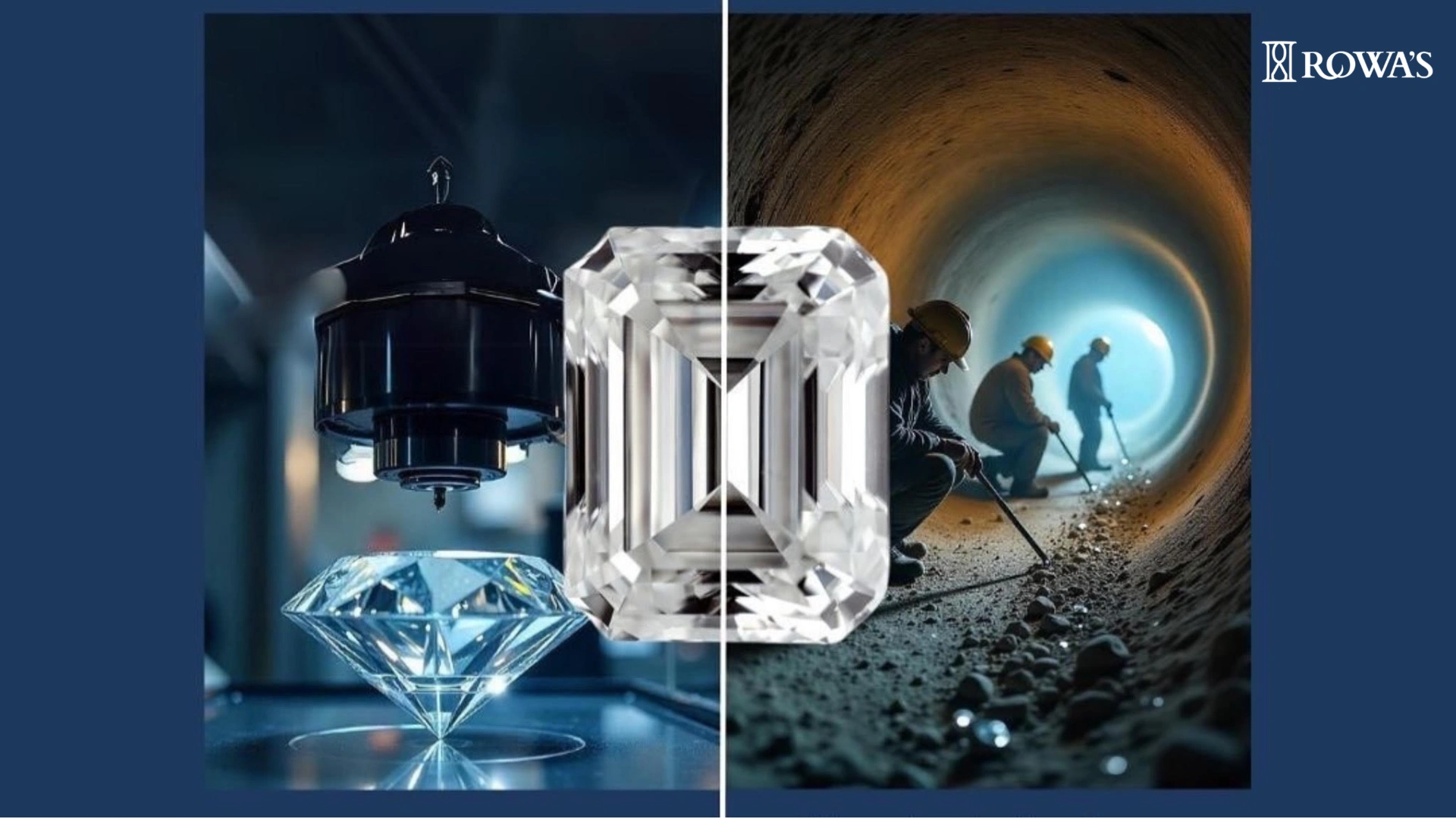
A lab-grown diamond (also called a synthetic diamond, man-made diamond, or cultured diamond) is 100% real diamond. Same carbon structure. Same hardness. Same sparkle. The only difference? It grew in a laboratory in weeks instead of deep underground over billions of years.
There are two methods used to create them – CVD (Chemical Vapor Deposition) and HPHT (High Pressure High Temperature). Both produce diamonds that are chemically and physically identical to mined diamonds.
Even a trained gemologist can’t tell them apart with the naked eye. You need specialized equipment to spot the difference.
The Price Difference Is Shocking
This is where things get really interesting. Lab-grown diamonds cost 50–80% less than natural diamonds of the same size and quality. We’re talking about a real, significant difference.
So if you have a $5,000 budget, you might get a 1-carat natural diamond or a stunning 3-carat lab-grown diamond with better cut and clarity. That’s a massive difference in what sits on your finger.
But here’s the catch: lab-grown diamond prices have been dropping fast. That means their resale value is declining too. Natural diamonds hold their value much better over time, though they’re not exactly gold when it comes to investment either.
Are Lab-Grown Diamonds Really “Eco-Friendly”?
This is one of the most debated topics in the diamond industry right now. Many buyers choose lab diamonds because they seem like the ethical, sustainable option. And there’s truth to that lab diamonds don’t involve mining, which means no open-pit excavation, no displaced communities, and no conflict diamonds.
Important to know: Lab-grown diamonds require enormous amounts of electricity to produce. If that energy comes from fossil fuels, the carbon footprint can actually rival traditional mining. Always check if a brand uses renewable energy in production.
Natural diamond mining, when done responsibly under the Kimberley Process, has made strides in reducing human rights abuses. Several mining operations also support local economies in countries like Botswana and Canada.
Neither option is perfectly clean. But for most buyers, lab-grown still edges out as the more ethical choice especially when purchased from a transparent brand.
Quality Comparison – Cut, Clarity, Color, Carat
Both natural and lab-grown diamonds are graded using the same 4Cs – Cut, Color, Clarity, and Carat – by the same labs like GIA, IGI, and AGS.
Cut No difference here. Both can be cut to excellent or ideal standards. A well-cut lab diamond will sparkle just as brilliantly as a natural one.
Color Lab-grown diamonds can actually be produced with very high color grades (D, E, F) more consistently. Nature doesn’t always cooperate truly colorless natural diamonds are rare and expensive.
Clarity Lab diamonds often have fewer inclusions because the growth process can be controlled. But higher clarity is already priced in when you buy natural.
Carat Weight This is where lab-grown wins hard. For the same price, you simply get more size with a lab diamond. Period.
Resale Value – The Honest Truth
If you’re thinking about a diamond as an investment, here’s the reality check no one loves giving: both types of diamonds have poor resale value.
Natural diamonds retain more relative value because supply is limited and they carry centuries of cultural prestige. Lab diamonds, on the other hand, are losing resale value fast as production becomes cheaper and more widespread.
If you ever want to sell your ring, a natural diamond will get you more back. But if you’re buying for love, not investment, this matters a lot less.
Who Should Buy Which?
Choose a Natural Diamond if…
- You want a one-of-a-kind stone with a unique geological history
- Long-term resale value matters to you
- You value tradition and the romantic idea of a diamond formed by nature
- You’re buying a family heirloom meant to last generations
Choose a Lab-Grown Diamond if…
- You want the biggest, most beautiful stone for your budget
- Ethical sourcing and environmental impact matter to you
- You’re buying an engagement ring but resale isn’t a priority
- You want a certified, real diamond without the luxury markup
The Bottom Line
Here’s the simple truth: both natural and lab-grown diamonds are real diamonds. Both are beautiful. Both deserve to be on your finger if you love them.
The choice comes down to what matters most to you: the romance of geological history and better long-term value, or a bigger stone, a lower price, and a cleaner conscience.
There’s no wrong answer. The best diamond is the one that makes you (or someone you love) smile every time the light hits it just right.
Natural Diamonds vs. Lab-Grown Diamonds – Which One Should You Buy?
You’ve probably noticed something big happening in the jewelry world lately. Lab-grown diamonds are everywhere in ads, in stores, and on fingers. But are they really worth it? And what about the classic natural diamond? Let’s break it all down in plain English.
First, What Exactly Is a Lab-Grown Diamond?
A lab-grown diamond (also called a synthetic diamond, man-made diamond, or cultured diamond) is 100% real diamond. Same carbon structure. Same hardness. Same sparkle. The only difference? It grew in a laboratory in weeks instead of deep underground over billions of years.
There are two methods used to create them – CVD (Chemical Vapor Deposition) and HPHT (High Pressure High Temperature). Both produce diamonds that are chemically and physically identical to mined diamonds.
Even a trained gemologist can’t tell them apart with the naked eye. You need specialized equipment to spot the difference.
The Price Difference Is Shocking
This is where things get really interesting. Lab-grown diamonds cost 50–80% less than natural diamonds of the same size and quality. We’re talking about a real, significant difference.
So if you have a $5,000 budget, you might get a 1-carat natural diamond or a stunning 3-carat lab-grown diamond with better cut and clarity. That’s a massive difference in what sits on your finger.
But here’s the catch: lab-grown diamond prices have been dropping fast. That means their resale value is declining too. Natural diamonds hold their value much better over time, though they’re not exactly gold when it comes to investment either.
Are Lab-Grown Diamonds Really “Eco-Friendly”?
This is one of the most debated topics in the diamond industry right now. Many buyers choose lab diamonds because they seem like the ethical, sustainable option. And there’s truth to that lab diamonds don’t involve mining, which means no open-pit excavation, no displaced communities, and no conflict diamonds.
Important to know: Lab-grown diamonds require enormous amounts of electricity to produce. If that energy comes from fossil fuels, the carbon footprint can actually rival traditional mining. Always check if a brand uses renewable energy in production.
Natural diamond mining, when done responsibly under the Kimberley Process, has made strides in reducing human rights abuses. Several mining operations also support local economies in countries like Botswana and Canada.
Neither option is perfectly clean. But for most buyers, lab-grown still edges out as the more ethical choice especially when purchased from a transparent brand.
Quality Comparison – Cut, Clarity, Color, Carat
Both natural and lab-grown diamonds are graded using the same 4Cs – Cut, Color, Clarity, and Carat – by the same labs like GIA, IGI, and AGS.
Cut No difference here. Both can be cut to excellent or ideal standards. A well-cut lab diamond will sparkle just as brilliantly as a natural one.
Color Lab-grown diamonds can actually be produced with very high color grades (D, E, F) more consistently. Nature doesn’t always cooperate truly colorless natural diamonds are rare and expensive.
Clarity Lab diamonds often have fewer inclusions because the growth process can be controlled. But higher clarity is already priced in when you buy natural.
Carat Weight This is where lab-grown wins hard. For the same price, you simply get more size with a lab diamond. Period.
Resale Value – The Honest Truth
If you’re thinking about a diamond as an investment, here’s the reality check no one loves giving: both types of diamonds have poor resale value.
Natural diamonds retain more relative value because supply is limited and they carry centuries of cultural prestige. Lab diamonds, on the other hand, are losing resale value fast as production becomes cheaper and more widespread.
If you ever want to sell your ring, a natural diamond will get you more back. But if you’re buying for love, not investment, this matters a lot less.
Who Should Buy Which?
Choose a Natural Diamond if…
- You want a one-of-a-kind stone with a unique geological history
- Long-term resale value matters to you
- You value tradition and the romantic idea of a diamond formed by nature
- You’re buying a family heirloom meant to last generations
Choose a Lab-Grown Diamond if…
- You want the biggest, most beautiful stone for your budget
- Ethical sourcing and environmental impact matter to you
- You’re buying an engagement ring but resale isn’t a priority
- You want a certified, real diamond without the luxury markup
The Bottom Line
Here’s the simple truth: both natural and lab-grown diamonds are real diamonds. Both are beautiful. Both deserve to be on your finger if you love them.
The choice comes down to what matters most to you: the romance of geological history and better long-term value, or a bigger stone, a lower price, and a cleaner conscience.
There’s no wrong answer. The best diamond is the one that makes you (or someone you love) smile every time the light hits it just right.
Related Posts